


Built to Blend: The Most Durable Blenders That Last Years (2026)
Durability is one of the hardest things to judge when buying a blender. Many models perform well at first, then slowly start to rattle, leak, lose power or struggle with everyday recipes. By the time those problems appear, you are usually outside the return window and looking at replacing the whole machine.
This guide focuses on blenders that are built for long term use rather than short term performance. We looked for models with proven reliability, stable motors and construction that can handle daily blending without feeling fragile. These are blenders designed to stay on your counter for years, not months.
The three standouts for durability are the Vitamix A3500i, the KitchenAid K400, and the Sage Super Q. Each takes a slightly different approach, from commercial grade internals to heavy duty home focused design, but all are known for holding up under regular use.
To narrow this down, we reviewed long term owner feedback, expert assessments and brand track records in the UK market. We focused on signs of longevity such as motor consistency, build quality and performance stability over time, rather than headline features.
Further down the page, we explain how we evaluate durability in more detail and why one model earns our Golden Egg Pick as the blender most likely to last for years of everyday use.
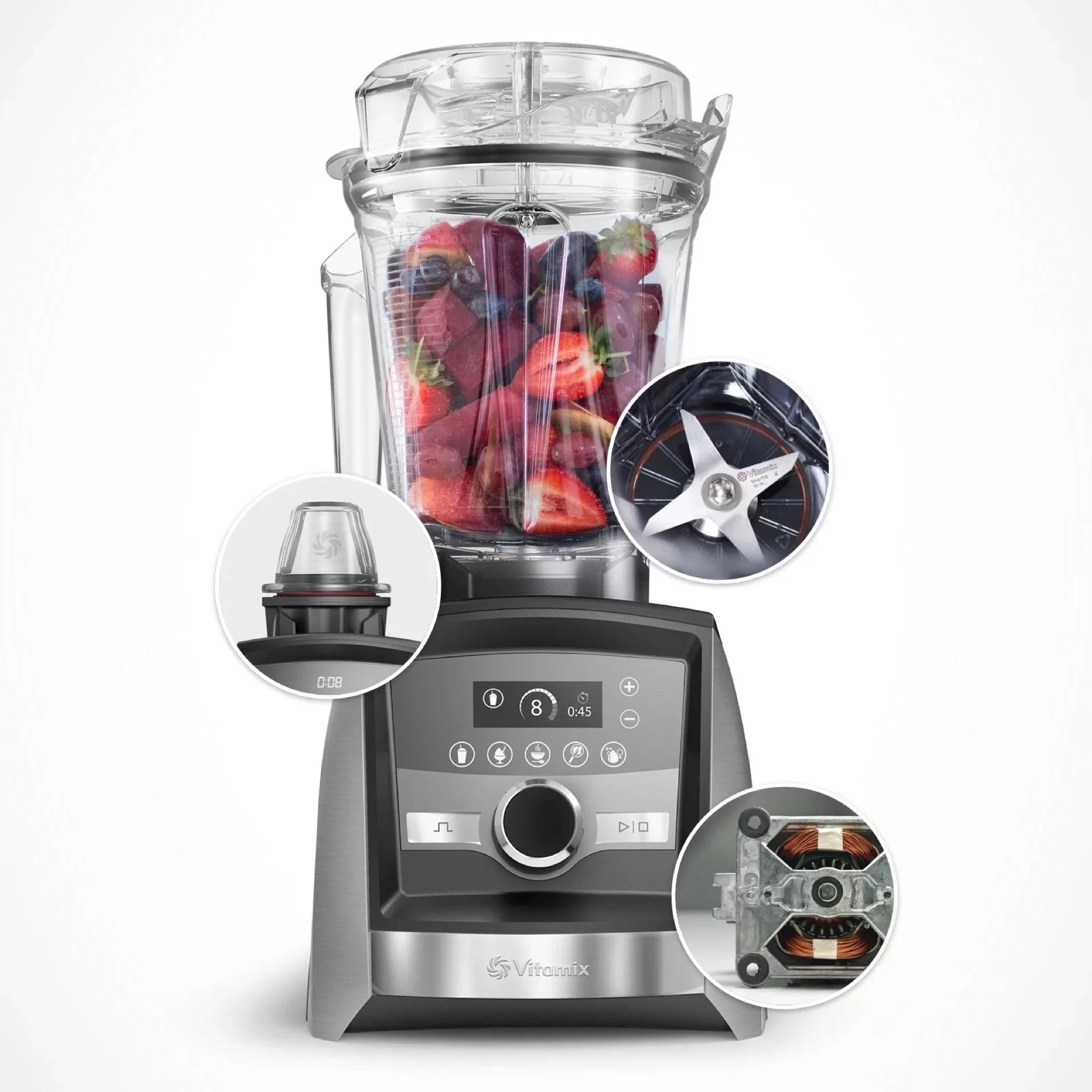
Vitamix A3500i
The Vitamix A3500i is widely regarded as one of the most durable domestic blenders available, and that reputation is built on long term ownership rather than short term performance. It is designed to handle daily blending without the gradual decline that affects many standard kitchen blenders.
This model feels engineered for consistency. The motor remains stable under load, the drive system is robust, and the overall construction is intended to cope with repeated use across a wide range of recipes, from smoothies and soups to thicker blends.
Key specs
Motor power: High output mains motor
Jug capacity: Large blending jug
Jug material: Plastic
Control type: Touchscreen with variable speed dial
Use case: Daily blending, heavy use, long term reliability
What it does well
Durability is the defining strength. The motor maintains performance over time and shows little sign of strain even with regular use. This makes it particularly well suited to households that blend frequently rather than occasionally.
Build quality is another standout. The drive system feels solid, the base remains stable during operation, and the controls are designed to withstand repeated use without becoming loose or unresponsive.
Performance remains consistent across years of ownership according to long term feedback, which is exactly what buyers looking for durability want to see.
Where it could be better
The price is high compared with most domestic blenders, which may be difficult to justify for casual users.
The size and weight also mean it needs a permanent place on the counter, rather than being stored away between uses.
Who it’s best for
This blender is best suited to people who want to buy once and keep the same machine for many years. It is ideal for frequent blenders who value reliability and consistency over compact size or low upfront cost.
Pros
Proven long term reliability
Strong and stable motor performance
Solid construction throughout
Consistent results over time
Cons
Expensive upfront cost
Large and heavy
More than needed for light use
Available from:
Check price at Vitamix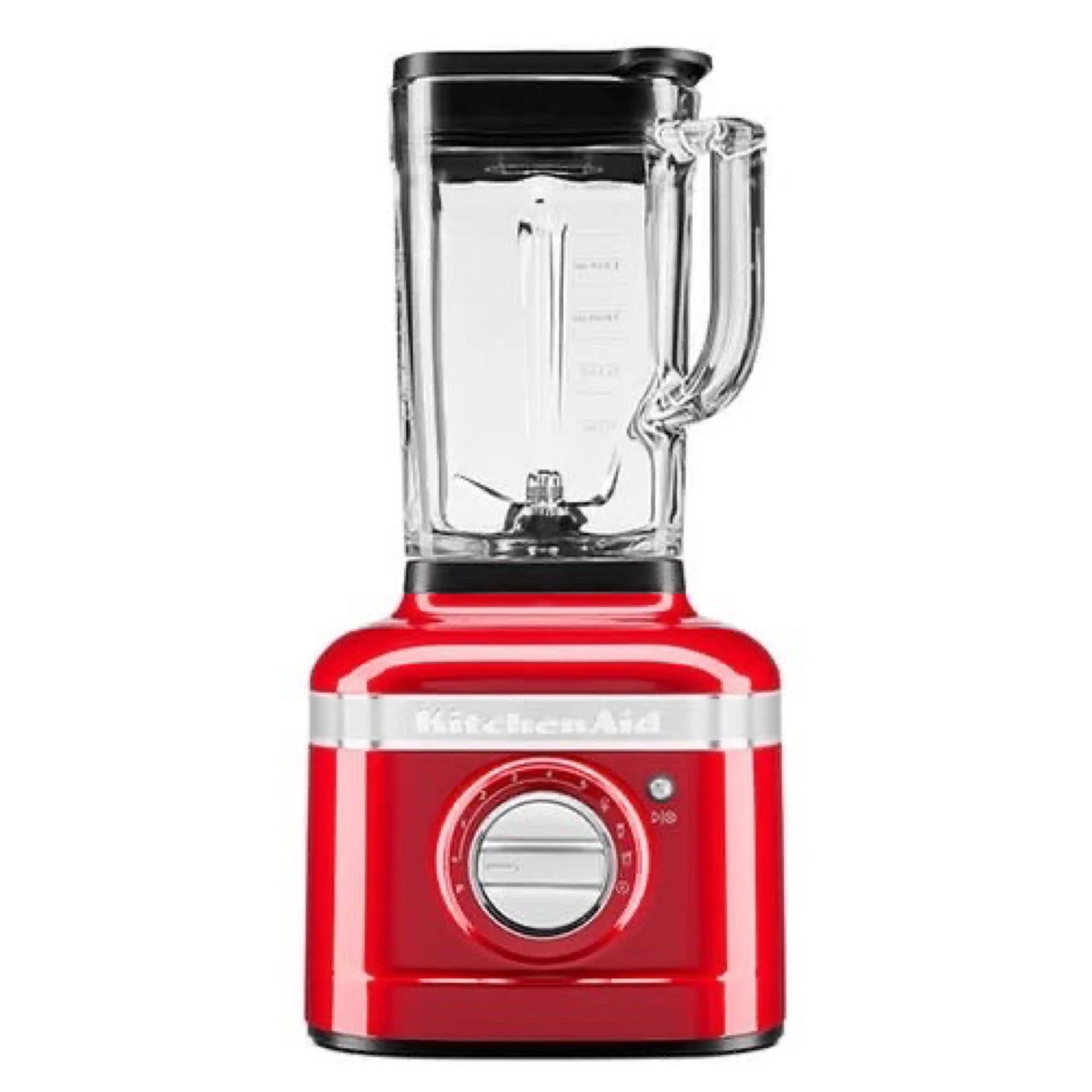
KitchenAid K400
The KitchenAid K400 is built with longevity in mind, combining a solid motor base with a thick glass jug that is designed to cope with years of regular use. Rather than chasing extreme power figures, it focuses on steady performance and construction that feels reassuringly robust.
This blender suits households that want reliability without moving into commercial style machines. It feels well balanced on the counter and is designed to handle daily blending without developing the rattles or looseness that often appear over time.
Key specs
Motor power: High output mains motor
Jug capacity: Large glass jug
Jug material: Glass
Control type: Variable speed dial with preset programmes
Use case: Daily smoothies, soups, sauces and long term use
What it does well
The glass jug is a major durability advantage. It resists staining, odours and wear far better than many plastic alternatives, and it maintains clarity even after repeated hot and cold blends.
Build quality is solid throughout. The base feels stable during use, the controls are simple and durable, and the overall design prioritises long term ownership rather than short term novelty.
Performance is consistent for everyday blending tasks, and the K400 holds up well to frequent use without signs of decline.
Where it could be better
It is not designed for extremely thick blends in the same way as more powerful premium models, so heavy nut butter or dense frozen mixes may require more patience.
The glass jug adds weight, which can make handling and storage slightly less convenient.
Who it’s best for
This blender is best suited to people who want a reliable, well built machine for daily use and value durability and ease of ownership over maximum power.
Pros
Thick glass jug improves longevity
Stable and solid base
Consistent everyday performance
Simple, durable controls
Cons
Less suited to very thick blends
Heavier due to glass jug
Not the most powerful option
Available from:
Check price at KitchenAid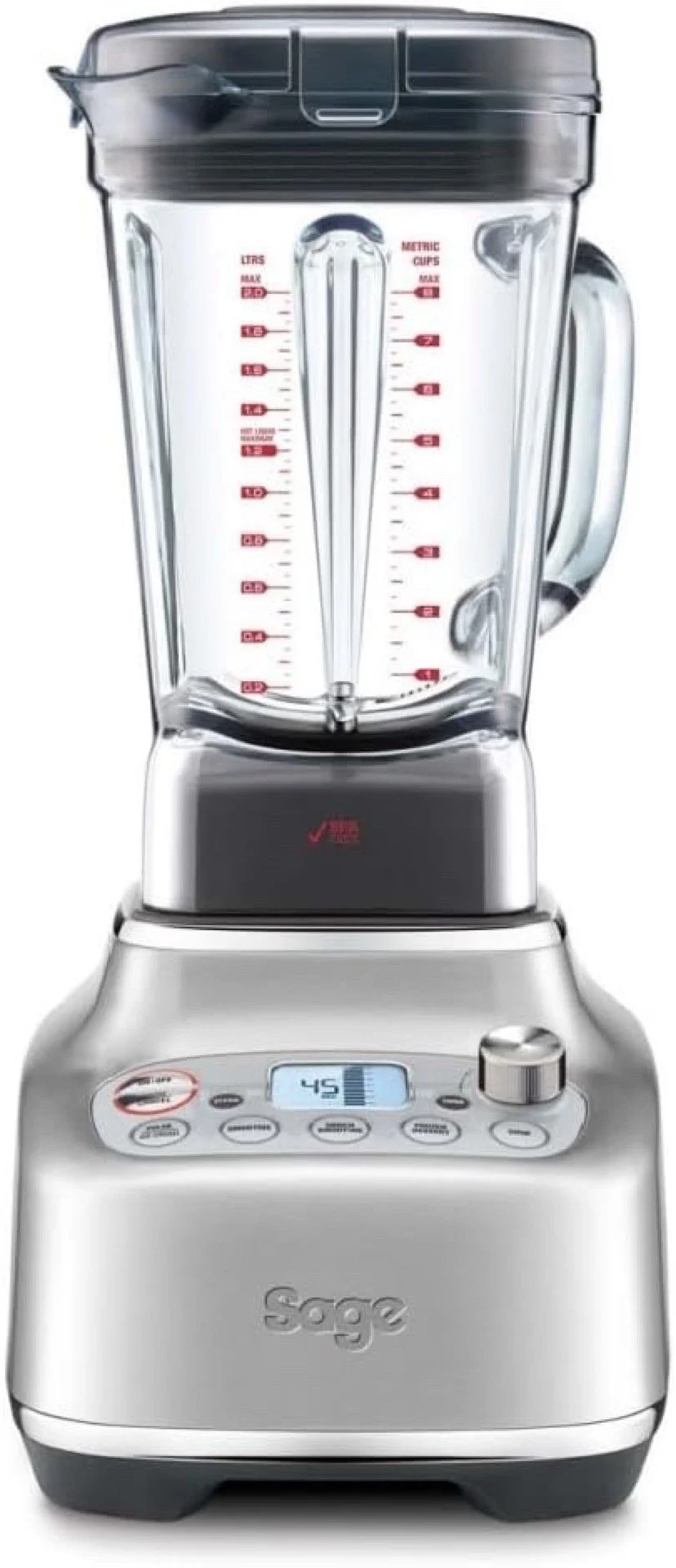
Sage Super Q
The Sage Super Q is designed for long term, high frequency use and feels closer to a professional kitchen appliance than a typical domestic blender. Its heavy base, powerful motor and solid construction make it well suited to households that blend regularly and want a machine that stays consistent over time.
This blender prioritises stability and durability. Everything about it feels built to cope with repeated use, from the weight of the base to the way the jug locks into place. It is clearly intended for people who expect their blender to work hard and keep doing so for years.
Key specs
Motor power: Very high output mains motor
Jug capacity: Large blending jug
Jug material: Plastic
Control type: Preset programmes with manual speed control
Use case: Daily blending, heavy use, long term reliability
What it does well
The Super Q delivers strong, steady performance under load. The motor maintains speed without struggling, which reduces strain over time and helps protect internal components. This contributes to its reputation for reliability among frequent users.
Build quality is another strength. The base is heavy and stable, controls feel robust, and the overall construction is designed to handle constant use without loosening or degrading.
Noise control is also better than many high powered blenders. While not quiet, it feels controlled rather than harsh, which is often a sign of a well engineered motor system.
Where it could be better
The size and weight make it less suitable for smaller kitchens or for people who prefer to store appliances away between uses.
The price places it firmly in the premium category, which may be unnecessary for users who only blend occasionally.
Who it’s best for
This blender is best suited to people who want a durable, high performance machine for frequent use and are happy to dedicate counter space to it. It works well for households that blend daily and value consistency over compact design.
Pros
Strong and consistent motor performance
Very stable, heavy base
Designed for frequent long term use
Refined performance under load
Cons
Large and heavy
Expensive compared with mid range models
Takes up significant counter space
Available from:
Check price on AmazonWhich blender is best for you?
| Blender | Best For | Build Quality | Motor Stability | Daily Use | Jug Type | Price |
|---|---|---|---|---|---|---|
| Vitamix A3500i | Long term heavy duty ownership | Excellent | Excellent | Excellent | Plastic | £££ |
| KitchenAid K400 | Reliable everyday blending | Very good | Good | Very good | Glass | ££ |
| Sage Super Q | Frequent use with premium feel | Excellent | Very good | Very good | Plastic | £££ |

The Vitamix A3500i earns the Golden Egg Pick because it delivers the strongest long term reliability and consistency of performance in this group. Durability is about more than surviving the first year, and this model has a proven track record of holding its performance over many years of regular use.
The motor remains stable under load, which reduces wear over time and helps prevent the gradual loss of power that affects many domestic blenders. Daily blending does not feel like a strain, whether you are making smoothies, soups or thicker mixes. That consistency is exactly what buyers looking for a long lasting blender want.
Build quality also sets it apart. The drive system feels robust, the base stays firmly planted on the counter, and the controls are designed to cope with frequent use without loosening or degrading. Over time, these details matter more than headline features.
The KitchenAid K400 and Sage Super Q both offer solid construction and dependable performance, but when longevity, reliability and long term ownership are weighed together, the Vitamix A3500i stands out as the blender most likely to still be performing well years down the line.
If you want a blender you can buy once and rely on for everyday use without worrying about gradual decline, this is the strongest choice in this category.
Available from:
Check price at Vitamix
Frequently Asked Questions
What makes a blender durable
Durability comes from stable motor performance, solid internal components and construction that does not loosen or degrade over time. A durable blender should handle daily use without developing rattles, leaks or inconsistent blending results.
How long should a good blender last
A well built blender should last many years with regular use. Models designed for durability often maintain performance far longer than entry level machines, making them a better long term investment.
Are expensive blenders more durable
Not always, but higher priced blenders often use stronger motors and more robust components. Paying more can improve longevity, but only if the design prioritises reliability rather than extra features.
Does daily use wear out a blender faster
Frequent use will always place more strain on a blender, but durable models are designed to cope with this. A stable motor and good cooling help reduce long term wear even with daily blending.
Is a glass jug more durable than plastic
Glass jugs resist staining and odours better, but plastic jugs are often lighter and less prone to cracking if dropped. Durability depends more on overall build quality than jug material alone.
What causes blenders to fail early
Common issues include weak motors, poor cooling, low quality drive systems and loose fittings. Over time, these lead to loss of power, leaks or excessive noise.
Can one blender handle both light and heavy use
Yes. A well designed blender should cope with smoothies, soups and thicker blends without stress. Models built for durability tend to handle a wide range of tasks more comfortably.
Is it better to buy one durable blender than replace cheaper ones
For many households, yes. Buying a durable blender upfront often costs less over time than replacing cheaper machines every few years.

What to Know Before You Buy
If durability is your priority, it helps to think beyond short term performance. Many blenders feel powerful when new, but long term ownership depends on how well they cope with repeated use, heat and vibration over time.
Motor stability matters more than peak power
A durable blender maintains consistent motor speed under load. Sudden drops in power or frequent stalling put strain on internal components and shorten lifespan. Blenders designed for long term use tend to feel steady rather than aggressive.
Construction and weight
Heavier bases and solid drive systems usually indicate better durability. A blender that stays planted on the counter and does not flex or vibrate excessively is less likely to loosen or wear prematurely.
Cooling and heat management
Daily blending generates heat. Durable blenders manage this through better motor design and airflow, reducing long term stress on internal parts. Overheating is one of the most common causes of early failure.
Jug material and fit
Glass jugs resist staining and odours, while plastic jugs are lighter and less prone to cracking if dropped. What matters most is how securely the jug locks into place and how well the drive system transfers power without slipping.
Controls and everyday use
Simple, robust controls tend to last longer than overly complex interfaces. Buttons, dials and switches should feel firm and responsive even after repeated use.
Choosing the right level of durability
If you blend daily or plan to keep the same machine for many years, investing in durability makes sense. For occasional use, a mid range blender may still be sufficient, but it is less likely to deliver the same long term reliability.

How We Evaluated and Chose Our Recommendations
When evaluating durable blenders that last years, we focus on long term ownership rather than short term performance. Many blenders perform well in the first few weeks, but durability only reveals itself after months or years of regular use. Our goal is to identify blenders that remain reliable, stable and consistent over time in real UK kitchens.
Long term owner feedback and reliability signals
We analyse long term user reviews from UK retailers, specialist review sites and forums to understand how blenders perform after extended use. Patterns such as motors losing power, bases becoming loose, excessive rattling, leaking jugs or declining blending performance are strong indicators of poor durability. Blenders with consistently positive long term feedback score higher as reliable, long lasting options.
Motor stability and sustained performance
A durable blender must maintain stable motor performance under repeated load. We prioritise models known for steady operation during daily use, rather than those that rely on short bursts of power. Blenders that stall, overheat or struggle with thicker blends tend to wear out faster. Stable motor behaviour is one of the strongest predictors of long term reliability.
Build quality and internal construction
We consider overall build quality, including base weight, drive system robustness and how securely components fit together. Durable blenders tend to feel solid on the counter, with minimal vibration and no flex during use. Poorly built blenders often loosen over time, leading to noise, leaks and mechanical failure. Construction quality matters as much as performance.
Jug design and wear over time
Jug material and design influence durability in everyday use. Glass jugs resist staining and odours, while plastic jugs reduce weight and impact damage. What matters most is how well the jug locks into the base and transfers power without slipping. Secure fittings and reliable seals are key to long term ownership satisfaction.
Heat management and daily use
Daily blending generates heat, especially when making soups, frozen fruit blends or nut butters. Durable blenders manage heat effectively, reducing stress on internal components. Overheating is a common cause of early blender failure, so models with good heat management score higher for longevity.
Ease of ownership and maintenance
Durability is not just about how long a blender works, but how pleasant it is to use over time. We consider ease of cleaning, resistance to staining, and whether components remain secure after repeated use. Blenders that are easy to maintain are more likely to stay in regular use and perform well for years.
Value for UK buyers
Finally, we assess whether a blender’s long term durability justifies its price in the UK market. The most durable blender is not always the cheapest or the most expensive. Our Golden Egg Pick reflects the blender that offers the best balance of reliability, build quality and value for long term everyday use.
This evaluation process allows us to recommend blenders that are genuinely built to last, not just perform well out of the box.