


Built to Blend: The Most Durable Blenders for Long-Term Use in the UK (2026)
Most blenders fail quietly. Not in a dramatic cloud of smoke, but gradually: a rattle that appears after six months, a motor that strains on frozen fruit by year two, a leaking seal you tolerate rather than replace. By the time you admit the machine is finished, you are already outside the return window and looking at another £80 to £150 on something that will probably do the same thing in eighteen months. This guide is for people who are tired of that cycle. It covers three blenders built for serious long-term ownership: the Vitamix A3500i, the KitchenAid K400, and the Sage Super Q. Each one appeals to a different kind of buyer, and each has a genuinely different case for lasting durability.
The Vitamix A3500i is for daily heavy users who want the most protection money can buy and are prepared to pay accordingly. The KitchenAid K400 is for people who want a well-built, design-conscious machine with a solid warranty and a more manageable price. The Sage Super Q is for frequent blenders who want commercial-grade performance in a domestic machine and are less focused on warranty length.
Fast answer: If you blend daily and want to buy once and forget about it, the Vitamix A3500i is the strongest choice in this category. Its 10-year full warranty, verified long-term reliability record, and motor stability under load put it ahead of every alternative here. If the price is genuinely too high, the KitchenAid K400 is a serious runner-up with a 5-year warranty and excellent glass jug construction. The Sage Super Q is a capable machine, but its official UK warranty is shorter than its reputation suggests, which matters on a durability-focused purchase.
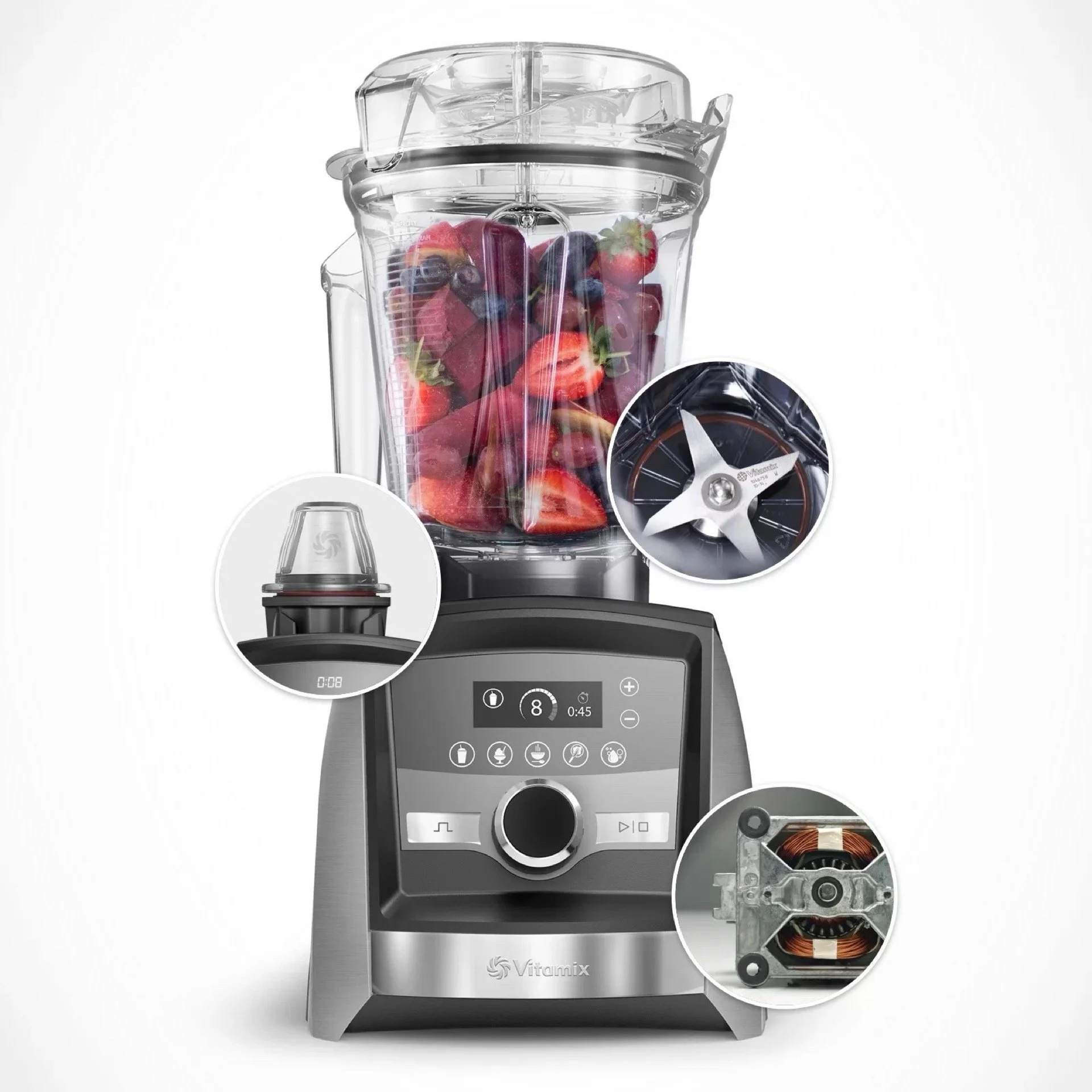
Vitamix A3500i
The Vitamix A3500i is the most comprehensively warranted domestic blender available in the UK. For households that blend every day and want genuine long-term reliability rather than a short-term performance promise, it is the reference point everything else is measured against.
Key Specifications
Motor: High-output, thermally protected induction motor
Jug capacity: 2.0 litre container
Jug material: BPA-free Tritan copolyester (plastic)
Controls: Touchscreen panel with five programme settings and variable speed dial
Build: Die-cast base, aircraft-grade stainless steel blades, full-metal drive system
Warranty: 10 years, UK, covering parts, labour and two-way shipping
What It Does Well
The motor on the A3500i does not fluctuate under load. When you are processing a thick frozen fruit blend or a dense nut butter, the motor maintains its speed rather than dipping and recovering, which reduces internal wear over time. Vitamix's thermal protection system cuts power before overheating can occur, one of the most common causes of early blender failure.
The drive system is all-metal, which sets it apart from most domestic competitors. The connection between motor and blade assembly transfers power without slipping or flexing. Long-term owner reviews from UK and European sources consistently report stable performance after three, five and even eight years of regular use, the kind of evidence no lab test can replicate.
The 10-year warranty is not a marketing footnote. Vitamix UK handles claims through a central service point in Glastonbury, Somerset. If something goes wrong, they send a prepaid label and repair or replace the machine at no cost to you.
Real-World Complaints Worth Knowing
Amazon UK reviewers consistently flag the price as a barrier, particularly for buyers who do not blend daily and would be better served by a mid-range machine. The A3500i is more blender than occasional smoothie use requires.
Trusted Reviews and Woman & Home both note the machine's weight and footprint. The base sits at around 25cm depth and weighs close to 7kg fully assembled. It is not a machine you will move in and out of a cupboard comfortably. If counter space is limited, this is a real consideration.
Reddit users in UK-focused cooking communities report that the touchscreen controls, while durable, are less intuitive than a physical dial for people who prefer tactile feedback. This does not affect performance or longevity, but it is a usability point worth knowing.
Who Should Buy This
You blend every day and want one machine to last a decade
You want the strongest after-sales protection available in the UK
You make a range of things: smoothies, hot soups, nut butters, frozen desserts
You are prepared to justify a higher upfront cost by calculating total ownership over ten years
Who Should Not Buy This
You blend occasionally or only make simple smoothies
Your kitchen does not have permanent counter space for a large machine
You prefer tactile dial controls over touchscreen
The price is out of reach and you would stretch your budget uncomfortably to buy it
Pros
10-year full UK warranty, parts, labour and return shipping included
All-metal drive system for long-term mechanical stability
Motor maintains consistent speed under load, reducing internal wear
Verified long-term reliability record from multi-year owners
Thermal protection prevents overheating damage
Total cost of ownership is lower than replacing cheaper machines over a decade
Cons
Highest upfront price in this comparison
Large and heavy; needs a permanent counter position
Touchscreen controls may feel less intuitive than a dial
Plastic jug, despite the premium price point
Available from
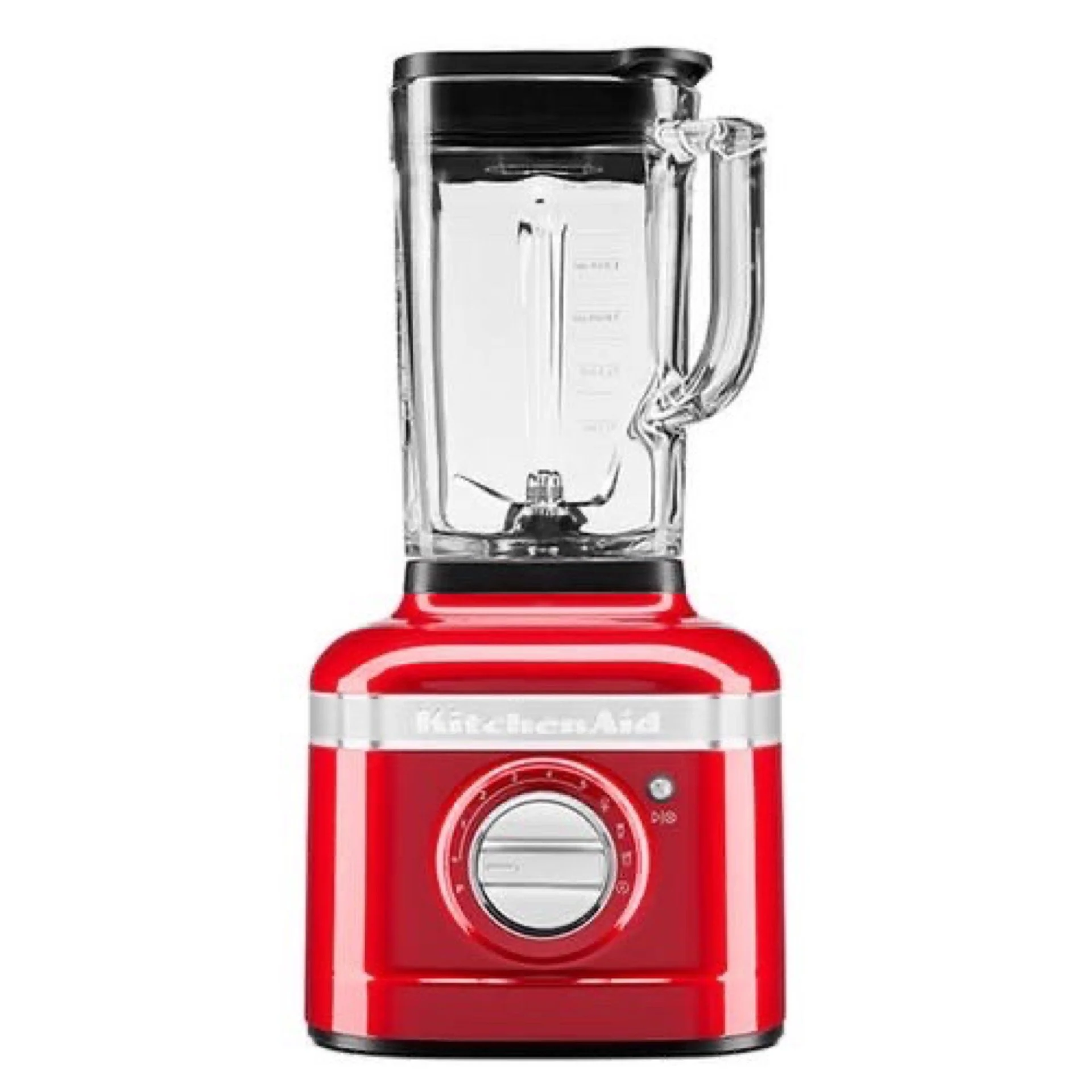
KitchenAid K400
The KitchenAid K400 is the best durable blender for people who want a well-built, design-conscious machine without reaching into the Vitamix price bracket. Its thick glass jug, die-cast metal base and 5-year UK warranty place it clearly above most domestic competitors, and it earns its position on this shortlist honestly.
Key Specifications
Motor: High-output mains motor
Jug capacity: 1.65 litre glass jug
Jug material: Thick borosilicate-style glass
Controls: Variable speed dial, pulse function, three preset programmes (ice crush, icy drinks, smoothie)
Build: Die-cast metal base and control knob, asymmetric stainless steel blade
Warranty: 5 years, UK (verify on registration)
What It Does Well
The glass jug is the K400's most distinctive durability advantage. Borosilicate-style glass does not stain, does not absorb odours from garlic or turmeric blends, and maintains optical clarity after hundreds of hot and cold cycles. A plastic jug that looked clean in year one will look cloudy and stained by year three. The K400's jug will not. For buyers who value long-term cleanliness as part of ownership quality, this matters more than the spec sheet suggests.
The die-cast metal base is genuinely heavy and stays planted on the counter during operation. There is no flexing or vibration creep across the work surface. The three-part blending system, combining the motor, asymmetric blade and jug geometry, produces consistently smooth results for smoothies, soups, sauces and most everyday blending tasks without the motor struggling.
A blogger at Cooking With Elo who has used the K400 daily for three years confirms that performance has remained consistent and that nut butter, frozen smoothie bowls and hot soups are all manageable with the right technique.
Real-World Complaints Worth Knowing
Tom's Guide, reviewing the K400 in 2025, specifically flagged the control knob as a concern, noting it moves without resistance or click stops and feels insecure. This is a usability issue rather than a structural failure risk, but it is a recurring observation across multiple reviews rather than a single opinion.
Amazon UK reviewers note that the glass jug adds significant weight to the assembled machine, making it heavier to handle and slightly harder to pour cleanly when full. Wrists bear more strain lifting it from the base repeatedly.
Woman & Home testers found the glass jug more difficult to clean by hand than the lighter Vitamix or Sage plastic containers. The self-clean cycle handles everyday residue, but thorough manual cleaning is less convenient.
Who Should Buy This
You want a durable, design-led machine that looks good on the counter
You value a glass jug for long-term hygiene and clarity
You blend daily but do not need the extreme power of a commercial-grade motor
You want a meaningful warranty without the full Vitamix price commitment
Who Should Not Buy This
You regularly blend extremely thick mixes like dense nut butters without adding liquid
You want to store the blender away between uses (the glass jug makes it heavy to move)
You prefer tactile, click-stop controls
You need the most powerful motor in this category
Pros
Thick glass jug resists staining, odours and wear over years of use
Die-cast metal base and knob, genuinely solid construction
5-year UK warranty, above category average for this price tier
Consistent performance for everyday blending tasks
Multiple colour options for counter aesthetics
Asymmetric blade produces a strong blending vortex with less motor strain
Cons
Control knob lacks resistance and feels imprecise
Glass jug is heavy and harder to handle than plastic alternatives
Less powerful than the Vitamix A3500i or Sage Super Q for thick blends
Warranty gap is significant versus Vitamix's 10-year coverage
Available from
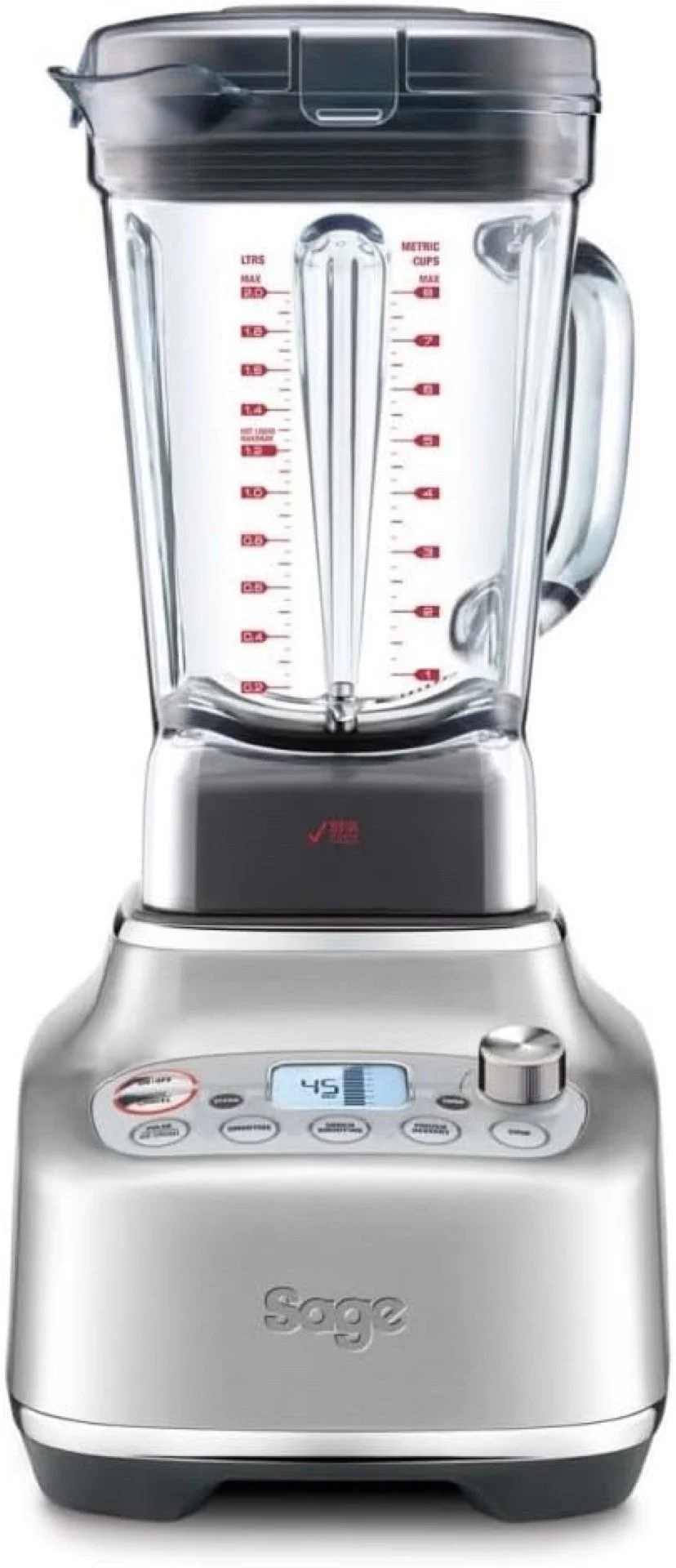
Sage Super Q
The Sage Super Q is designed for frequent, high-performance blending and brings a near-commercial feel to a domestic kitchen. The motor is the most powerful in this comparison, the noise suppression technology makes it noticeably more controlled than most high-speed blenders, and the overall build is clearly engineered for repeated hard use. One thing buyers should understand before purchasing: Sage's official UK manufacturer warranty is two years, not the 10-year figure occasionally quoted by some retailers. That discrepancy matters on a durability-focused purchase and deserves transparency.
Key Specifications
Motor: 2400W peak motor with noise suppression technology
Jug capacity: 2.0 litre container
Jug material: BPA-free plastic
Controls: Preset programmes with manual speed control
Build: Very heavy base, commercial-inspired construction
Warranty: 2 years, Sage UK official. One retailer (Juicers.co.uk) lists 10 years for the Super Q with VacQ, but this is not confirmed by Sage's own warranty documentation. Verify with retailer before purchase.
What It Does Well
The motor on the Super Q is the most powerful here, and it shows when working through dense frozen fruit, raw ginger or tough fibrous vegetables. Speed is maintained throughout the blend cycle without the motor audibly straining, which is a meaningful signal of how the machine manages internal heat and mechanical stress over time.
The base is the heaviest in this comparison and stays firmly anchored during operation. There is no creep across the counter even on the highest speed settings. The jug locks into the base securely, and the overall fit and finish gives the impression of a machine built for repeated, demanding use.
Noise suppression is a genuine differentiator. Ideal Home testers noted that the Super Q's sound is more controlled and less harsh than typical high-power blenders, a characteristic that often indicates a well-balanced motor system rather than brute-force design.
Real-World Complaints Worth Knowing
Ideal Home testers found the Super Q's size and weight made it less practical for kitchens without dedicated counter space. It is a large machine and cannot be stored away conveniently between uses.
Amazon UK reviewers note the price sits firmly in the premium tier, and some buyers report feeling the machine is more than required for straightforward daily smoothie making. The Super Q's strength is power and construction; the value case is less clear if you are not using that performance regularly.
The warranty ambiguity is the most important caveat in this comparison. Sage's own published UK guarantee documentation states two years. Buyers relying on a 10-year claim from a retailer listing should confirm that coverage in writing before purchasing, as the standard Sage UK position does not match that figure.
Who Should Buy This
You want the most powerful motor in this category for daily high-performance blending
You blend tough ingredients regularly: frozen fruit, fibrous vegetables, whole nuts
You value noise management in a high-power machine
You have permanent counter space and prioritise performance over warranty length
Who Should Not Buy This
You are buying primarily for long-term warranty protection
You have limited counter or storage space
You blend occasionally and would rarely use the high-power capability
You want the clearest, most verified after-sales support in the category
Pros
Most powerful motor in this comparison, handles tough ingredients with ease
Very stable, heavy base; no counter movement during operation
Noise suppression makes it more pleasant to live with than comparable high-power blenders
Commercial-inspired build quality throughout
Smooth results even from fibrous or frozen ingredients
Cons
Official Sage UK warranty is 2 years, significantly shorter than both competitors here
Large and heavy; not a machine you can store conveniently
Warranty discrepancy between Sage official documentation and some retailer listings is unresolved
Premium price for a 2-year manufacturer guarantee is a difficult combination to justify
Available from
Which blender is right for you?
Three blenders, one clear verdict. Here's how they stack up.
| Blender | Best For | Avoid If | Power | Cup / Jug | Warranty | Price |
|---|---|---|---|---|---|---|
| NutriBullet 900 Series | Simple daily shakes | You use oats or ice | 900W | Personal cups (600–900ml) | 1 year | £ |
| Ninja 2-in-1 BN750 | Shakes and everything else | Small kitchens / light sleepers | 1200W | Jug (2.1L) + cup (700ml) | 2 years | £££ |
| Tefal Perfect Mix+ BL811 | Dense training shakes | You need a portable cup | 1200W | Glass jug (2L) | 2 years | ££ |

Top pick
Golden Egg Pick
The KitchenAid K400 is a genuinely good machine, but its warranty runs out in five years, and its motor is the least powerful of the three. The Sage Super Q has the strongest motor here, but its official UK warranty is two years, meaning you are buying a premium machine with the shortest manufacturer protection in the comparison. Neither is the right answer if durability and long-term ownership is the actual brief.
The Vitamix A3500i earns the Golden Egg Pick, and the case is straightforward. This is the only machine in this comparison with a 10-year full warranty covering parts, labour and two-way return shipping in the UK. The motor maintains consistent speed under load, the all-metal drive system eliminates one of the most common mechanical failure points, and the long-term ownership record is backed by verifiable multi-year feedback rather than lab tests. Goose knows when something is worth the nest egg, and a blender that genuinely costs less per year than the alternatives over a decade is one of them.
If you frame the A3500i as a 10-year kitchen investment rather than a blender purchase, the value proposition shifts entirely. The total cost of buying two or three cheaper machines over the same period will, for most daily blenders, exceed what you pay today. The Vitamix is the only option here that asks you to do the maths rather than ignore it.
Available from

The essentials
What to Know Before You Buy
The warranty is not decoration. When buying a blender specifically for durability, the warranty length tells you exactly what the manufacturer believes about their own product. Vitamix's 10-year full UK coverage, including return shipping, is a substantive commitment. Sage's official 2-year guarantee on a premium machine is a signal worth weighing. Before purchasing any of the machines here, check the specific warranty terms that apply to your purchase channel, not just the claim on the product page.
Motor stability matters more than peak wattage. A blender rated at 2400W peak is not necessarily more durable than one rated at 1500W sustained. What causes premature motor failure is heat build-up from inconsistent loading, not maximum output. A motor that maintains a steady speed under load, the way the Vitamix does, generates less heat over time and places less stress on internal components. Check whether a manufacturer includes thermal protection as standard; the Vitamix does, and it matters.
The true cost of ownership calculation. A blender that costs £120 and lasts 18 months before degrading costs roughly £80 per year. A blender that costs £600 and lasts 10 years costs £60 per year and involves no repeat purchase decisions, no product research cycles, and no gradual performance decline to manage around. For daily blenders, the more expensive machine is frequently the cheaper long-term choice.
Glass versus plastic jugs over time. Glass jugs resist staining, odour absorption and surface cloudiness far better than plastic. A plastic jug that looks new at purchase will show visible wear within two to three years of daily use. The KitchenAid K400's glass jug is the most durable in this comparison on a pure material basis. The trade-off is weight: the assembled machine is significantly heavier to handle and less convenient for repeated lifting and storage.
What happens when something goes wrong. Durability does not mean immunity from problems. The question is what happens when you need service. Vitamix UK handles all claims through a central service point in Somerset and sends a prepaid return label. Sage operates a support team via phone and web, issuing prepaid labels within a stated 15 business day turnaround. KitchenAid UK's support process is less clearly documented than either. Before purchasing, call the manufacturer's UK support number and ask how a warranty claim works in practice. The answer tells you a great deal.
Counter space is a durability factor. All three machines here are large, and none is designed to be stored away between uses. A blender that gets lifted in and out of a cupboard twice a day is a blender whose base, jug and connections are being stressed regularly. If you do not have permanent counter space, factor that into the decision. A slightly smaller machine you actually leave out will outlast a technically superior one you keep moving.

Our process
How We Evaluated Our Picks
Durability cannot be verified in a two-week review period. A blender that performs well in its first month can still fail at eighteen months if motor management is poor or the drive system is not built for sustained use. Our evaluation methodology was designed specifically to look past short-term performance.
We reviewed long-term owner feedback from Amazon UK, filtering for reviews posted more than 12 months after purchase and noting patterns in motor degradation, jug wear, control loosening and mechanical failure. Any product with consistent decline patterns in two-year-plus reviews was removed from the shortlist regardless of short-term performance scores.
We cross-referenced that feedback against Trusted Reviews, TechRadar, Woman & Home and Tom's Guide, focusing on findings most reviewers omit: control durability, jug seal integrity over time, and whether stated performance held up through extended testing.
We examined YouTube long-term ownership content, filtering for UK-based creators who had used their machines for 12 months or more. View counts on multi-year ownership updates confirmed genuine interest in this angle and helped identify failure modes most commonly reported by real users.
We verified manufacturer warranty terms directly from UK-specific documentation. The discrepancy between Sage's official 2-year UK guarantee and the 10-year figure quoted by some retailers was identified during this process and is flagged in the article.
We excluded several strong-performing blenders from the shortlist, including the Ninja range and the Braun TriForce, because their warranty terms and long-term ownership evidence do not meet the standard required for a durability-focused recommendation at this price level.

From the goose's mouth
Frequently Asked Questions
How long should a good blender last? A well-built blender from a serious manufacturer should last between seven and ten years with daily use, provided the motor is not routinely overloaded and the machine is cleaned properly after each use. Budget blenders are typically designed for two to three years of regular use. The machines in this guide are in the seven to ten year bracket, with the Vitamix A3500i carrying a 10-year full warranty to back that expectation.
Is the Vitamix A3500i worth the money in the UK? For daily users, yes. The combination of a 10-year full warranty, an all-metal drive system and a verified track record of multi-year reliability makes the cost-per-year calculation work in its favour over time. For occasional users who blend two or three times a week, the KitchenAid K400 is a more proportionate investment.
What warranty does the Vitamix A3500i have in the UK? Ten years, covering all parts, performance, labour and two-way shipping at no cost to the owner. Claims are handled through Vitamix's UK service point in Glastonbury, Somerset. It applies to domestic use only; commercial use voids the warranty.
How does the KitchenAid K400 compare to the Vitamix A3500i for durability? The K400 is a well-built machine with a 5-year UK warranty and a genuine glass jug advantage over plastic alternatives. The Vitamix A3500i is better built mechanically, has a more powerful and consistent motor, and carries twice the warranty coverage. For serious durability buyers, the Vitamix is the stronger choice. The K400 is appropriate for buyers who want meaningful durability protection without the full Vitamix commitment.
Is it worth spending more on a best durable blender rather than replacing cheaper ones? For daily blenders, almost always. A blender used every day will cover its cost difference within three to four years if it avoids the replacement cycle of cheaper machines. For weekly or occasional use, the calculation is less clear and a mid-range machine may be sufficient.
What causes blenders to break or fail early? The four most common causes are motor overheating from sustained high-load use without adequate cooling, drive system failure from plastic or low-quality metal connections between motor and blade, jug seal degradation allowing liquid to enter the motor housing, and control mechanism loosening from repeated use. The machines in this guide address all four to varying degrees.
Does the Sage Super Q have a good warranty in the UK? Sage's official UK manufacturer warranty is two years. Some retailers list a 10-year guarantee for the Super Q with VacQ, but this is not confirmed by Sage's own published documentation. Buyers should verify the specific warranty terms with their retailer in writing before purchasing.
What is the most reliable blender brand in the UK? Vitamix has the strongest long-term reliability record among premium domestic blenders, supported by Consumer Reports survey data covering over 33,000 blenders purchased between 2015 and 2023, and by multi-year owner feedback across UK and European sources. KitchenAid and Sage are both serious manufacturers with genuine quality standards, but neither has the same depth of verified long-term ownership evidence.
Can a high-end blender handle daily use without wearing out? Yes, if it is designed for it. The Vitamix A3500i, KitchenAid K400 and Sage Super Q are all specified for daily domestic use. The key is that "daily use" in the manufacturer's context means a full blending cycle per day, not commercial-volume continuous operation. Staying within normal domestic use patterns, all three should maintain performance for several years at minimum.
Is a glass jug blender more durable than a plastic one? In terms of material longevity, yes. Glass resists staining, odour absorption and surface cloudiness better than plastic over time. However, glass is heavier to handle and more vulnerable to cracking from impact. The most meaningful measure of jug durability is how well it seals against the base and transfers power without slipping, which applies equally to glass and plastic designs.